

 Date: Oct.21.2026
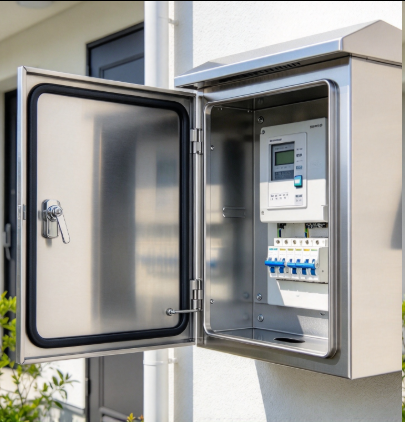
Stainless steel distribution boxes are premium metal electrical enclosures engineered for demanding environments where mechanical robustness and material durability rank as primary design priorities. Constructed from stainless steel sheet through laser cutting, bending, welding and surface finishing processes, these cabinets provide outstanding structural rigidity that resists physical deformation under heavy impact and external compression. Compared with carbon steel enclosures, stainless steel relies on inherent alloy composition to build passive anti corrosion oxide layers on material surfaces. This natural protective layer regenerates after minor surface scratches, delivering far better rust proof performance without depending entirely on external paint or coating layers. Different stainless steel grades are chosen according to operating surroundings; general purpose grades suit normal indoor and sheltered outdoor sites, while higher grade stainless steel handles humid coastal atmospheres and mildly chemical polluted working zones. Cabinet structures can be configured as wall mounted, floor standing or desktop types to satisfy diverse layout needs for power distribution and control circuits.
Sealing performance of stainless steel distribution boxes is realized by precise machining of door frames and matching elastic gasket systems. Well fabricated units can reach high ingress protection levels, blocking dust, rainwater and splashed liquid from entering the inner cabinet space. Internal spaces accommodate DIN rails, mounting plates, busbar assemblies and wiring terminals for power distribution components. Welded cabinet versions deliver superior enclosure tightness, while assembled bolt together styles bring convenience for on site modification and component expansion. Door designs frequently include reinforced hinges, compression type locking latches and optional viewing windows. Reinforcement ribs are added on large size cabinet panels to prevent panel bulging or vibration noise under temperature variation and internal equipment heat output. Surface treatment options include brushed finish, passivation treatment and electropolishing, each serving different aesthetic and anti corrosion objectives for project requirements.
System designers need to address several inherent characteristics when deploying stainless steel distribution boxes. Stainless steel material conducts electricity, so reliable protective earthing of the whole enclosure is mandatory to comply with global electrical safety standards. The material weight is noticeably higher than polycarbonate enclosures, which raises requirements for wall mounting base strength and installation support structures. Material and manufacturing costs place stainless steel boxes at a higher price point relative to coated steel or plastic alternatives. In environments with heavy chloride concentration such as seashore spray zones, even standard stainless steel will face corrosion risks, requiring material grade upgrade or additional protective measures. When properly specified, stainless steel distribution boxes serve long service life applications including food processing facilities, water treatment stations, coastal infrastructure and public utility sites, where equipment longevity and low maintenance frequency are critical operational targets.

 Prev


 Oct.17.2026