

 Date: Oct.17.2026
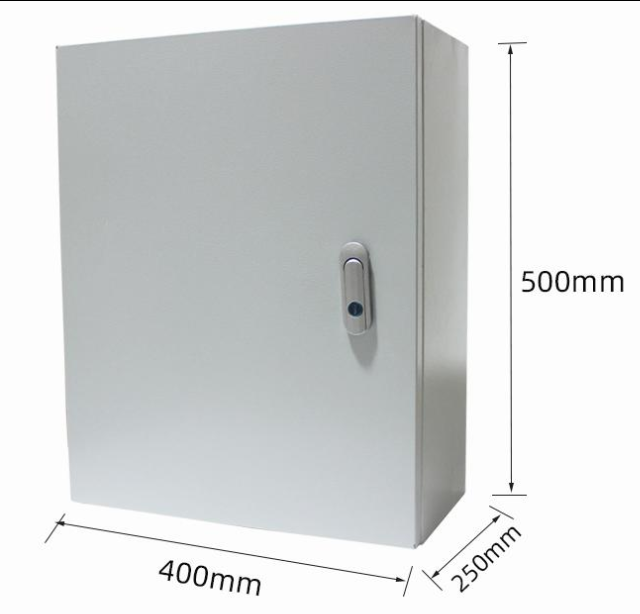
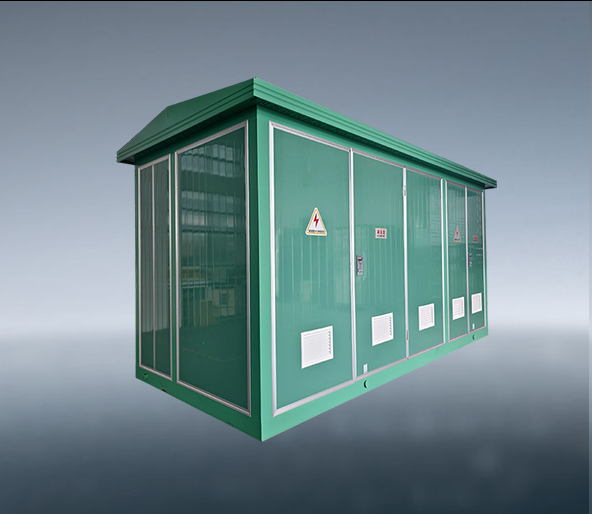
Correct distribution box installation decides electrical system safety performance for residential, commercial and light industrial sites. All installation procedures must start with complete power disconnection for upstream power supply circuits. Workers verify zero voltage status with professional testing instruments before touching any conductive components inside working zones. The first critical step is site and enclosure selection. Choose installation positions avoiding high humidity spaces, direct water splashing areas, high temperature heat sources and places stacked with combustible articles. Indoor distribution boxes keep convenient manual operation height, and maintain enough front side free space for breaker manipulation and future overhaul work. For surface mounted boxes, select solid wall surfaces that can bear mechanical fixing force. Flush mounted distribution boxes need wall opening sizes matching outer casing dimensions. Too large wall openings reduce mounting stability; too small openings stop full embedding of box shells. Outdoor installation scenarios must pick enclosures with sufficient IP waterproof dustproof rating, and install on sturdy wall brackets or concrete bases to prevent shaking and displacement.
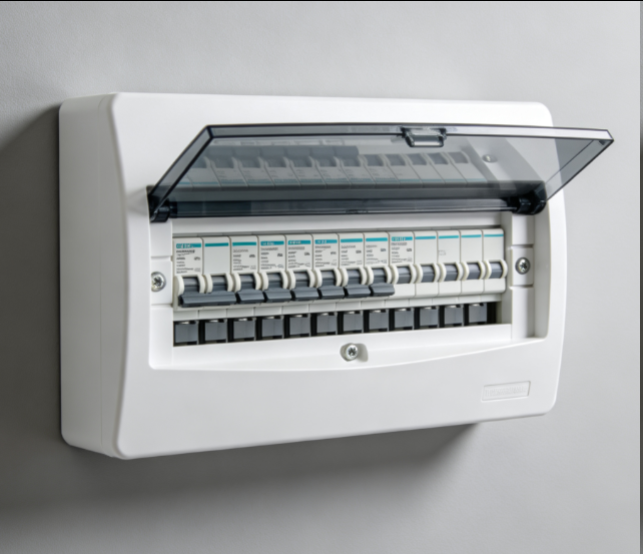
After confirming installation location, fix the box body firmly. Use spirit level tools to keep box edges horizontal; tilted installation will influence subsequent DIN rail component mounting and box door normal opening closing functions. For metal shell distribution boxes, complete shell earthing connection during housing fixing stages, bonding box casing reliably toward building protective earthing networks. Next install internal DIN mounting rails, main breakers, residual current protection devices and every branch circuit breaker onto rails. Pre arrange neutral busbars and PE earthing busbar modules, ensuring secure screw fastening and safe insulation gaps between live conductive parts and metal shell inner surfaces. Process cable entry openings: install matched size cable gland accessories for outdoor boxes; indoor type boxes use rubber sealing plugs for unused knock out holes to block dust and small animal intrusion. Lead incoming main supply cables and outgoing branch circuit cables through reserved cable holes into inner box space. Reserve appropriate cable wire length inside enclosure for convenient later re termination maintenance; overly short cables bring re wiring difficulty, while excessively long messy cables occupy internal heat dissipation space.
Carry out wire termination work following standard color coding specifications. Strip proper insulation length for each conductor end. Excess exposed copper will produce short circuit risk stray contacts, while insufficient stripping creates poor contact and terminal over heating hazards. Connect incoming supply phase conductors onto main breaker input terminals. Neutral conductors fasten to neutral busbar, and green yellow protective earth wires terminate on PE earthing busbar. Each outgoing branch phase wire connects to corresponding branch breaker output terminals, and branch circuit neutral and earth conductors link to respective busbar positions. Every terminal screw obtains adequate tightening torque. After finishing wiring, clean metal fragment debris left from cable stripping operations out of enclosure interior. Make clear paper labels for each branch breaker, recording protected load information such as bedroom lighting, kitchen sockets and air conditioner dedicated circuits. Before restoring power supply, implement comprehensive inspection and testing. Visually re check every wiring terminal fastening condition and insulation distance status. Use multimeter equipment to measure insulation resistance and loop voltage conditions. Manually test trip functions of every protective breaker and residual current protection modules. Only after all testing items pass can workers close the distribution box door and restore upstream main power. After power on, observe box body operating status for a period, checking for abnormal heating, noise or spark generation phenomena. Keep distribution box front zone space unobstructed in daily usage, and do not pile sundries to block box door opening access.

 Prev


 Oct.24.2026