

 Date: Oct.20.2026
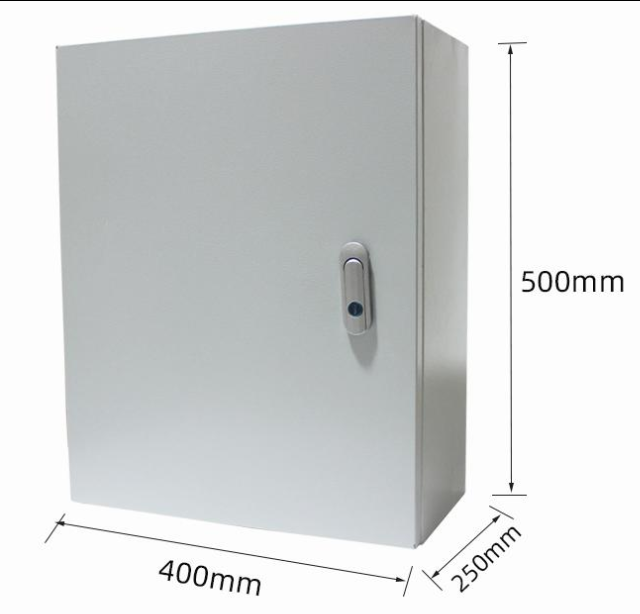
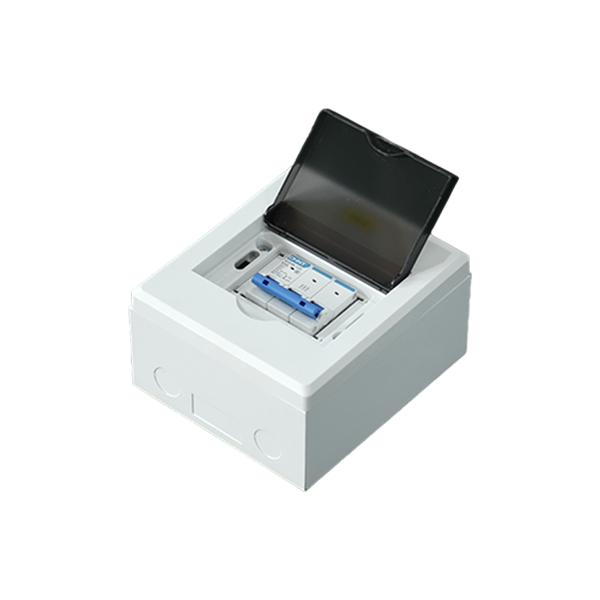
Choosing proper distribution box size serves to accommodate all required protective components, reserve reasonable internal wiring arrangement space, and guarantee effective heat dissipation during long time equipment operation. Improper size selection causes multiple negative outcomes. Undersized enclosures force crowded stacking of breakers and cables, worsen heat dissipation conditions, easily trigger over heating component failure, and leave no upgrade expansion room for adding new circuits later. Excessively oversized distribution boxes waste installation space resources and raise unnecessary procurement costs. Multiple factors determine final distribution box dimension parameters: quantity of required DIN rail mounted modules, main busbar current carrying capacity, reserved expansion slot quantity, cable inlet outlet arrangement requirements, and environmental installation condition limitations. Module count calculation starts by counting every protective device unit. Each one pole miniature circuit breaker occupies one standard module width. Two pole breakers take two module spaces. Residual current protection devices, combined RCBO units and surge protection modules also occupy fixed DIN rail module widths. Sum up total module number for existing demand components first.
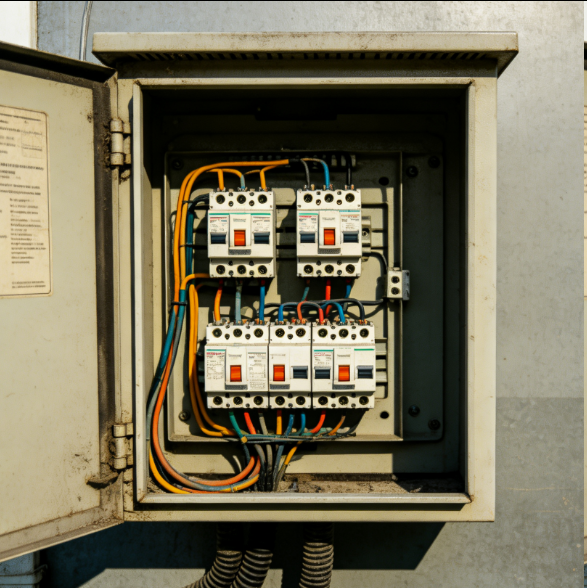
Besides existing equipment module count, reserving sufficient spare module slots represents essential consideration for distribution box size selection. Household use scenarios commonly reserve twenty percent to thirty percent spare DIN rail positions. Reserved empty slots support future period circuit expansion requirements such as newly added air conditioner loops, electric vehicle charging dedicated circuits or renovation added socket loops. Without spare slots, later time adding new protective components will force full distribution box replacement and produce extra reconstruction work costs. Busbar rated current parameters must match box size specification. Even if module quantity fits enclosure dimensions, small specification low current rating busbars cannot sustain total system maximum working current loads. Users need to calculate total building maximum simultaneous load current and select distribution boxes whose internal busbar rated current values exceed calculated total current figures. Cable wire thickness also influences size selection. High power load circuits adopt large cross section cables. Thick cables need enough inner box space for natural bending and termination operations. Too narrow inner cavity dimensions force sharp cable bending angles, damage cable wire insulation layers and bring wiring construction difficulties.
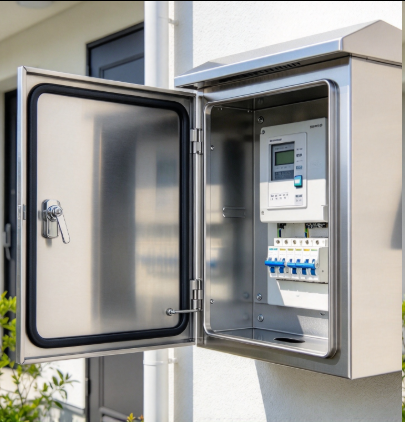
Installation environment conditions further restrict distribution box size options. Indoor flush mount distribution boxes must adapt to wall cavity depth limits. If wall cavity depth is limited by building wall body structure, users cannot select deep size enclosures; otherwise box shells cannot embed into wall surfaces smoothly. Outdoor distribution boxes need extra internal space allowance for waterproof cable gland installation and external cable transition layout. When multiple thick cable glands occupy box body side positions, outer box width and depth should increase appropriately. After collecting module count, spare slot demand, busbar current requirement, cable arrangement space demand and installation space limitation parameters, refer to manufacturer dimension specification tables to pick matching size enclosure products. Users should avoid pursuing minimum possible box size merely for appearance neatness. Sufficient internal free space guarantees heat generated by breakers during heavy load operation can dissipate outward smoothly. After selecting box dimensions, double check whether box door opening angle and front operating clearance of installation location satisfy maintenance operation needs. Reasonable size selected distribution boxes can accommodate current period complete set protective devices, reserve upgrade potential space, satisfy cable layout demands, and keep good thermal dissipation performance for long term safe running of low voltage distribution systems.

 Prev


 Nov.05.2026