

 Date: Nov.11.2026
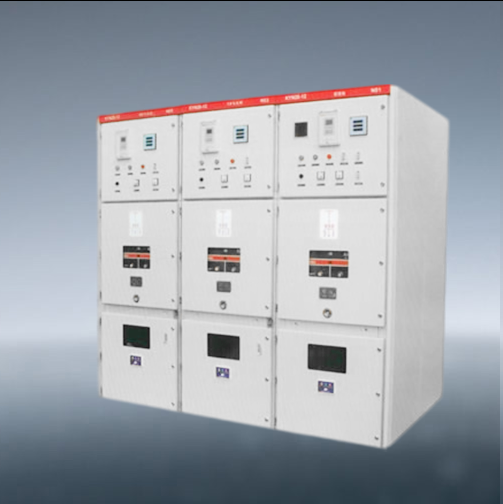
Proper selection of high altitude adapted high voltage ring main units is critical to guarantee stable power supply for plateau towns, mountain industrial zones and remote plateau power distribution networks. Ordinary standard type ring main units are developed and tested for altitude below 1000 m. Direct application of standard units at high altitude locations will face multiple hidden risks including reduced air insulation strength, insufficient creepage distance, weakened heat dissipation and increased partial discharge probability. During the selection process, the first essential tip is to confirm the exact installation altitude and request manufacturers to complete altitude correction calculation for insulation parameters. The higher the site altitude, the larger phase ground and inter phase clearances and insulator creepage distances should be. For gas insulated ring main units, special evaluation for internal and external insulation shall be carried out separately. Internal SF6 gas insulation inside sealed tank is less affected by external altitude, while exposed bushings, external insulators and air isolated bus sections need full high altitude reinforcement treatment.
The second key selection tip focuses on current derating and thermal design optimization. High altitude thin air slows down convective heat exchange. Conductive components including busbars, switch contacts and fuses produce more heat accumulation under rated working current. If ring main unit runs at full original rated current, internal temperature will exceed allowable limits, accelerating aging of contact surfaces and insulating materials. Buyers should clarify maximum continuous operating current demand and confirm current derating coefficient with technical suppliers according to real altitude. Besides current derating, cabinet ventilation structure should be assessed. Reasonable ventilation layout helps dissipate accumulated heat, yet ventilation openings must be equipped with dust proof and sand proof structures, because plateau environments frequently encounter sand storm and floating dust. Dust deposition on insulator surfaces will further lower surface insulation performance and offset the effect of high altitude insulation modification.
Third selection tip covers matching of auxiliary components and environmental resistance performance. High altitude areas always feature sharp day night temperature fluctuation, intense ultraviolet irradiation and occasional frost. When selecting high altitude adapted ring main units, users need to check performance of cabinet shell coating, external insulating parts and internal anti condensation accessories. UV resistant coating prevents cabinet shell paint cracking and peeling under long time strong sunlight. Built in anti condensation heaters and temperature humidity monitoring modules are highly recommended to suppress dew formation inside sealed cabinets. Meanwhile, protection grade of cabinet enclosure should satisfy on site dust and moisture requirements. Users shall avoid simply ordering standard models and expect on site minor modification to satisfy high altitude requirements. All insulation upgrade, current derating and environmental resistant configuration shall be completed during manufacturing phase. After equipment delivery, acceptance tests shall include partial discharge inspection and insulation resistance measurement. Scientific selection following above tips effectively cuts down plateau related ring main unit faults and improves safety and reliability of loop power distribution systems in high altitude regions.

 Prev


 Oct.17.2026