

 Date: Oct.17.2026
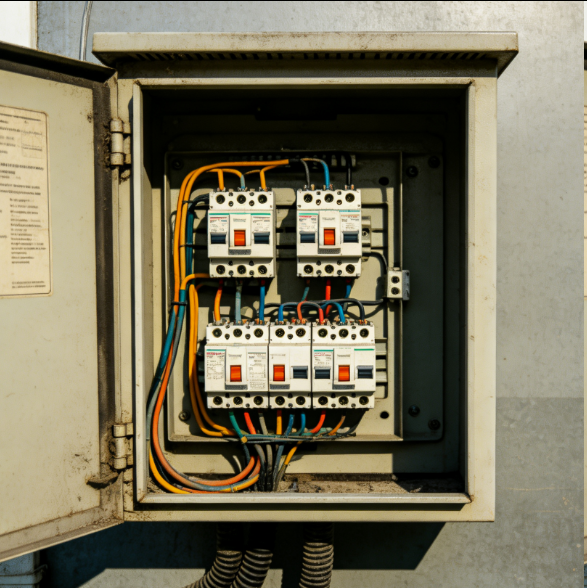
A distribution box functions as the central transfer station for low voltage electrical systems, receiving total incoming power from upstream power sources and reasonably dividing electric energy into multiple independent branch circuits for different rooms, lighting fixtures and electrical equipment. Its core operating logic relies on internal busbar structures and matched protective components. Main power from utility grid, generator or photovoltaic inverter flows into distribution box main input terminals first. The main circuit breaker controls total power entering the entire box. When the main switch closes, electric current transmits to conductive busbars inside the enclosure. Busbars act as high capacity conductive rails, distributing electric energy equally toward every connected branch circuit breaker. Neutral conductors and protective earth conductors flow along their own independent busbars, completely separated from live phase conductive paths to satisfy earthing system safety requirements. Every downstream electrical load obtains power only by passing through its corresponding branch breaker. This physical structure design realizes centralized power management and independent control for each power consuming branch.
Protective mechanisms represent the most vital working attribute of distribution boxes. Each branch circuit fits miniature circuit breaker hardware. Inside every breaker sit electromagnetic and thermal double protection structures. When short circuit faults emerge on downstream circuits, huge instantaneous current triggers electromagnetic trip components inside breakers. Contacts open within extremely short time, cutting off power for the faulty branch only, and other unrelated circuits inside the distribution box keep normal power supply. Thermal protection responds to long term circuit overload situations. Sustained over rated current flow heats bi metal sheets inside breakers. Deformation of bi metal structures pushes tripping mechanisms to disconnect circuit contacts, preventing cable over heating and insulation melting fire risks. Many modern distribution boxes integrate residual current protective devices. RCD modules continuously compare outgoing phase wire current and returning neutral wire current values. Once partial current leaks toward earth through damaged insulation or human body contact, current balance breaks, and RCD instantly trips to cut power and lower electric shock injury possibilities. Selective protection logic guarantees that only malfunctioning branches shut down, instead of full house blackouts caused by single point circuit faults.
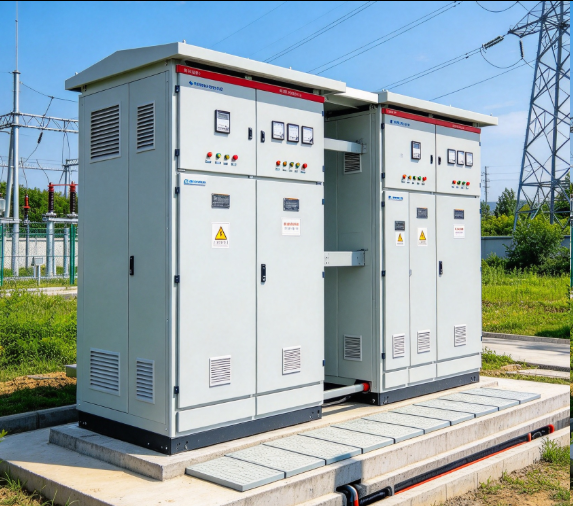
Apart from power distribution and fault cutoff functions, distribution boxes also undertake circuit isolation and system earthing management work. When maintenance personnel repair downstream electrical equipment, turning off corresponding branch breakers creates visible electrical disconnection points. Workers can safely carry out inspection and repair work without fully cutting power for the whole building. Protective earth busbars inside distribution boxes collect protective earthing wires from all branch loads. When electrical equipment metal shells suffer accidental live phase leakage, fault current quickly flows toward earth through PE conductors, triggering protective breaker action and avoiding dangerous shell surface voltage. Different application scene distribution boxes adjust internal component combinations according to actual demands. Outdoor used distribution boxes add environmental resistant sealed structures. Solar system distribution boxes deploy direct current special protective elements. Large capacity commercial distribution boxes adopt higher current level busbars and multi stage protection configurations. Although hardware configurations change for diverse usage environments, core working principles stay consistent: concentrate incoming power, split into multiple controlled branches, monitor circuit operating states in real time, and rapidly isolate fault positions while keeping normal circuits running. Understanding how distribution boxes work helps users correctly judge tripping phenomena, distinguish overload, short circuit and leakage caused power cut situations, and avoid blind repeated breaker closing operations under fault conditions.

 Prev


 Oct.17.2026