

 Date: Oct.28.2026
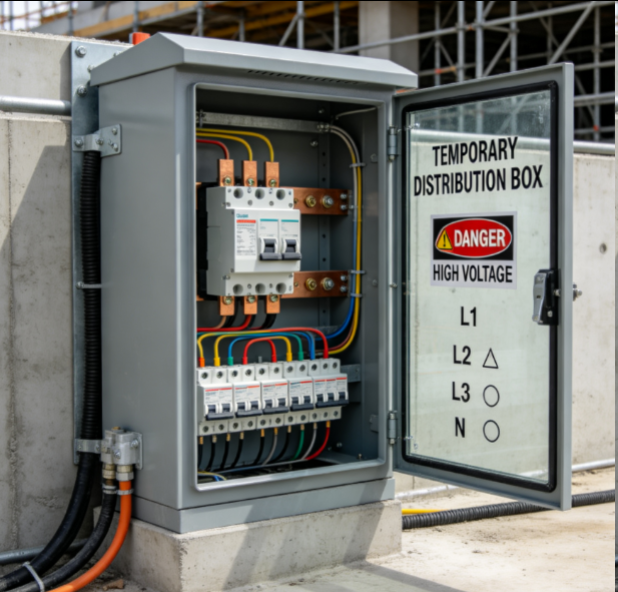
Construction site temporary distribution boxes are purpose built power distribution enclosures engineered for harsh, high risk conditions on building and civil engineering job sites, delivering graded power distribution and multi level electrical protection for construction machinery, electric hand tools, site temporary lighting and welding equipment. Construction sites feature frequent equipment movement, dust accumulation, concrete splatters, high humidity, vibration and rough manual handling, which impose far stricter requirements on enclosure robustness and protective performance compared with ordinary indoor distribution hardware. The typical site power system adopts three level distribution architecture: general main distribution box, secondary sub distribution box, and terminal individual equipment distribution box. This hierarchical setup partitions fault ranges, restricts fault current propagation and supports orderly power management across large scale construction zones. Every level is configured with matched over current, short circuit and residual current protective devices following construction industry electrical safety specifications.
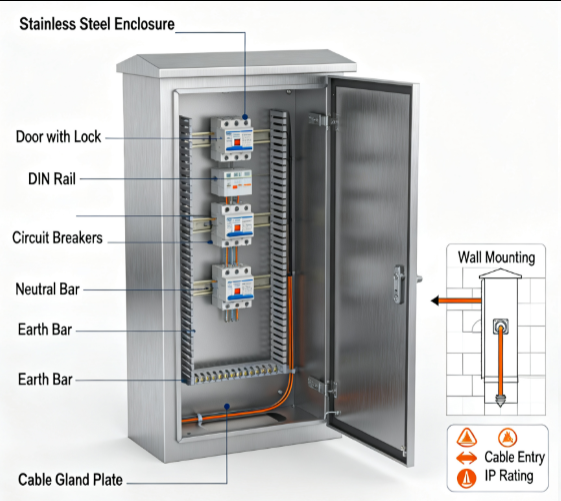
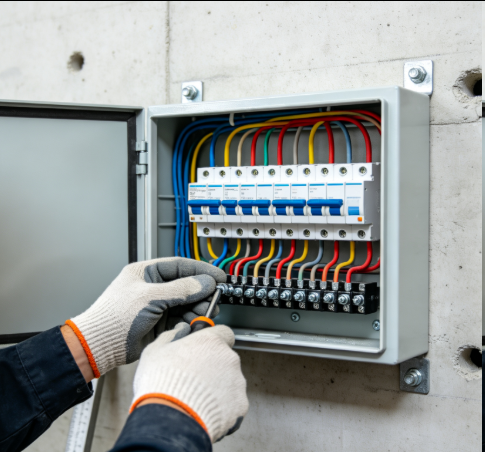
Protection hierarchy is the most defining characteristic of construction site temporary distribution boxes. Main incoming branches install main circuit breakers for overall power cut off during emergency situations. Each outgoing branch is equipped with independent residual current protective devices and branch breakers. Residual current action current and response time are calibrated according to load types: handheld power tool circuits use highly sensitive rapid trip settings, while large power construction machinery branches adopt appropriately adjusted parameters to prevent nuisance tripping under normal equipment startup surge currents. Reliable earthing and zero line isolation structures are built into the box body. The metal enclosure must establish solid protective earthing connections to eliminate electric shock hazards when casing suffers accidental live state faults. Clear marking labels distinguish live terminals, neutral terminals and protective earth terminals, helping site electricians complete wiring and troubleshooting efficiently amid noisy, busy site environments.
Enclosure construction and on site management rules determine long term safe operation for construction site temporary distribution boxes. Metal enclosures are treated with anti rust paint or galvanized anti corrosion layers to resist erosion from cement dust, rainwater and muddy splashes. Lockable cabinet doors prevent unauthorized personnel from modifying internal wiring or operating switches without professional qualifications. Ventilation slots are designed to release heat generated by breakers under heavy continuous load, yet prevent large size debris from falling inside the cabinet. These boxes cannot be placed directly on damp ground; operators mount them on elevated support frames to avoid rainwater immersion and mud contamination. Regular management procedures include daily visual inspection, periodic tripping function testing, cable condition checks and timely replacement of damaged components. Construction site temporary distribution boxes belong to temporary electrical facilities; upon project completion, all units shall be dismantled rather than reused as permanent building power distribution hardware. Strict implementation of grading protection and on site management effectively cuts down construction site electrical accident occurrences.

 Prev


 Nov.04.2026