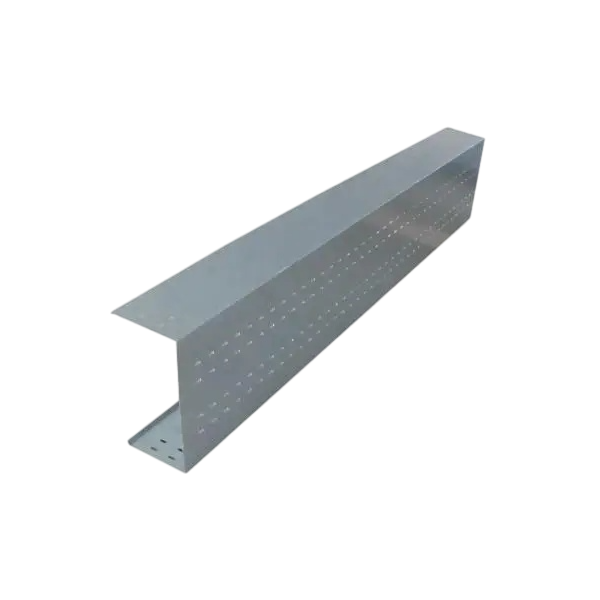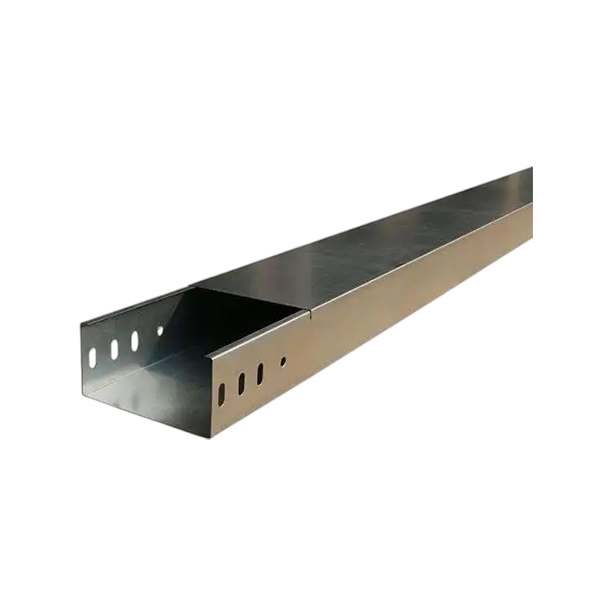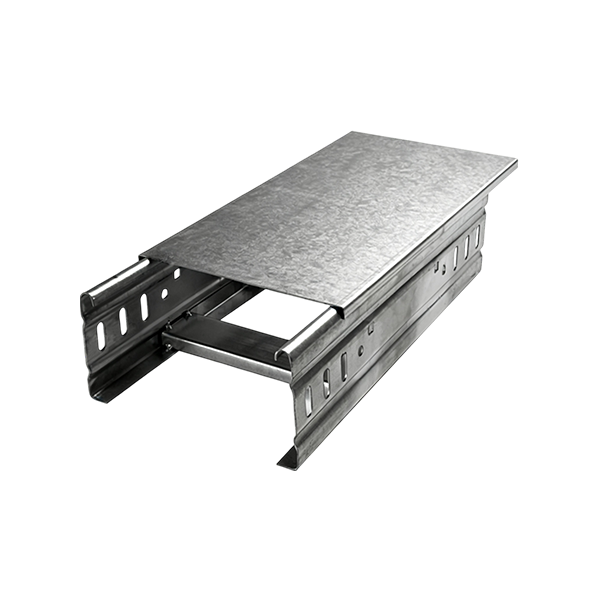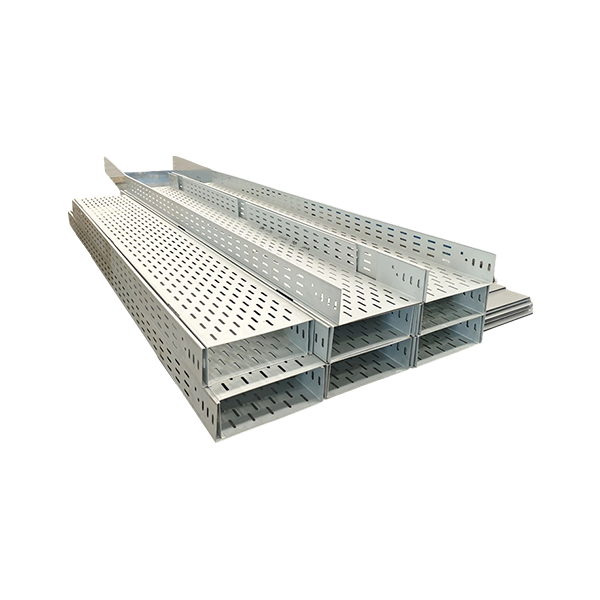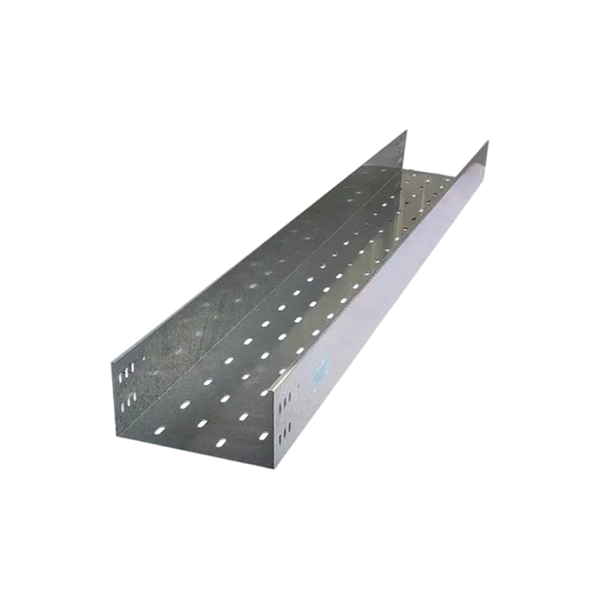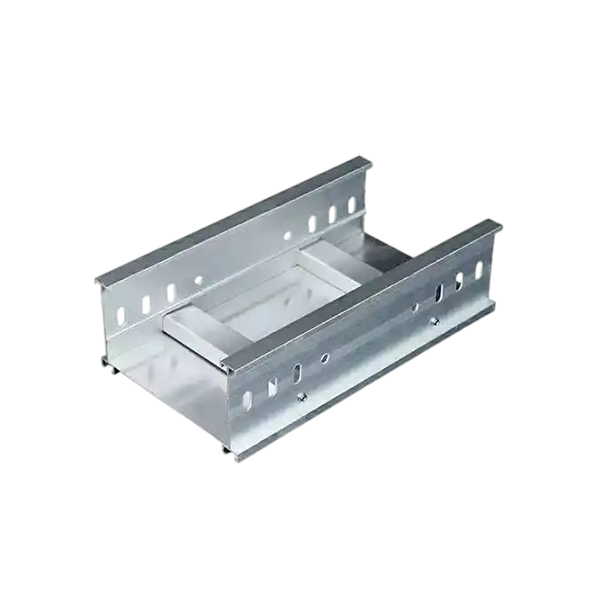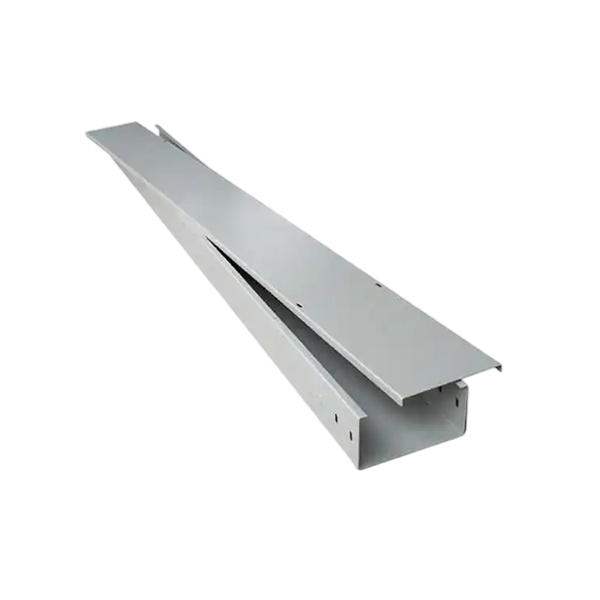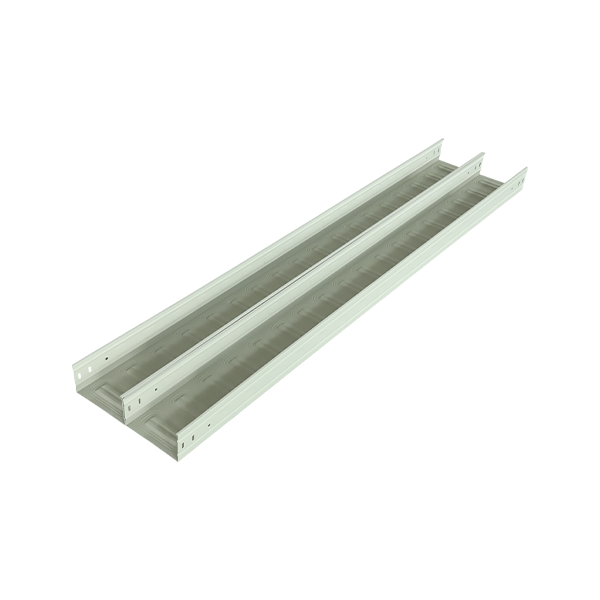

Cable tray is suitable for the laying of power cables, control cables, communication cables and lighting wiring with voltages below 10 kV in indoor and outdoor overhead cable trenches and tunnels.
View More
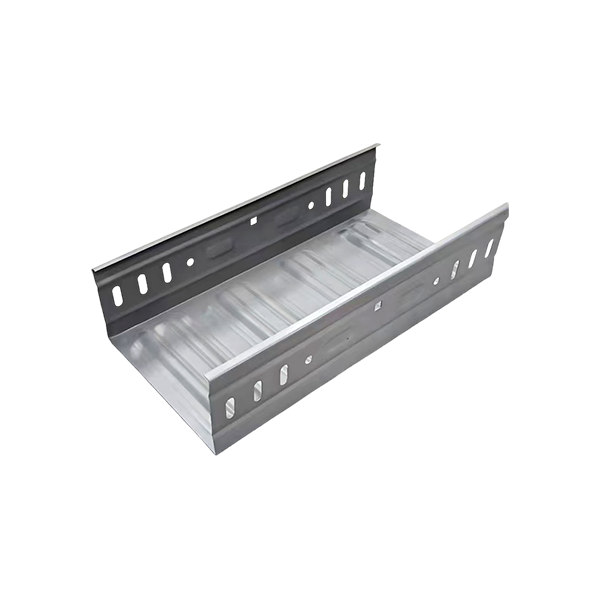
 Product OverviewTechnical Parameters
| Level | Cable usage | Using cable tray type |
Upper ↑ | ↓ Lower | Computer cable | Shielded trough type, combined type |
| Shielded control cable | Shielded trough type, combined type | |
| General control cable | Tray type, trough type | |
| Low voltage power cable | Step type, pallet type, trough type | |
| High voltage power cable | Armored stepped |
* All products are custom‑made, and parameters are for reference only.
Normal Use ConditionQXQJ series cable trays have the characteristics of complete varieties, wide application, high strength, light structure, simple construction, flexible wiring and beautiful appearance, which bring convenience to your technical improvement, expansion and installation, maintenance and overhaul.
The installation of cable trays can be adapted to local conditions and can be laid aerially along with the process pipelines: hoisted under floors and beams; or vertically installed on outdoor walls, tunnels, cable trench walls; and can also be installed on open-air columns or piers.
When hoisting or vertically installing large‑size or multi‑layer cable trays, symmetric layout on both sides of I‑steel columns shall be adopted as far as possible.
Cable trays can be laid horizontally or vertically, with corner turning, tee‑type or cross‑type branches, and are available for width adjustment, height adjustment and diameter transition.
Product FeaturesRelated Products
Email:1211682430@qq.com
Add:No.1 Shabeili Dawu Road, Xikeng Community, Yuanshan Subdistrict, Longgang District, Shenzhen, Guangdong, P.R.China


 Home >